
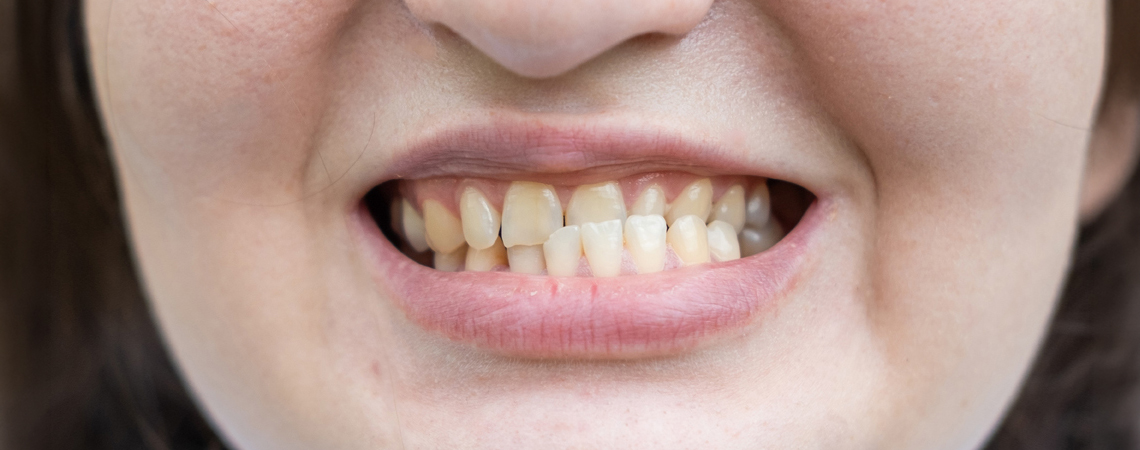
Many people assume that crowded teeth are purely a cosmetic concern that only affects how a smile looks.
However, even teeth that appear relatively straight can have underlying crowding or subtle misalignment
that impacts oral health. When teeth are not ideally positioned, they can be harder to clean
effectively, allowing plaque and bacteria to build up in areas that are difficult to reach. Over time,
this may increase the risk of tooth decay, gum disease and other dental problems.
Crowding can also influence how your teeth come together when you bite. Misalignment may place uneven
pressure on certain teeth, leading to excessive wear, discomfort or strain on the jaw. Recognising that
crowded teeth can affect more than just appearance is important for maintaining long-term oral health.
Paying attention to these issues early can help you decide when it may be beneficial to seek
professional dental advice and appropriate treatment.
How Can Crowded Teeth Affect Your Oral Health?
Crowded teeth can do more than affect the appearance of your smile. They can also have a significant
impact on your overall oral health. When teeth overlap or are misaligned, it becomes harder to clean
them properly, increasing the risk of plaque buildup, tooth decay, and gum disease. Understanding how
crowding affects your mouth can help you recognise when it’s time to seek professional advice.
-
Difficulty Cleaning Between Teeth
When teeth are crowded, it becomes harder to reach all surfaces with a toothbrush and floss. Tight
spaces can trap food particles and bacteria, making daily oral hygiene less effective. Over time,
this buildup can lead to plaque accumulation, which may cause bad breath and increase the risk of
cavities and gum disease. If not addressed, these issues can worsen and impact overall oral health.
-
Increased Plaque and Tartar Buildup
When crowded teeth are not cleaned thoroughly, plaque, a sticky film of bacteria that forms on
teeth, can accumulate more easily. Over time, this plaque hardens into tartar, which can only be
removed by a dental professional. As a result, individuals with crowded teeth are more prone to
cavities, gum inflammation, and periodontal disease resulting in problems such as bleeding gums,
persistent bad breath, and even tooth loss if left untreated.
-
Higher Risk of Tooth Decay and Gum
Disease
The accumulation of plaque and tartar can lead to chronic halitosis and more severe oral infections
such as periodontitis, a progressive inflammatory disease that damages the gums and supporting bone
structures. If left untreated, this condition may result in tooth mobility or loss. Additionally,
prolonged bacterial activity can accelerate enamel demineralisation, increasing the likelihood of
cavities and causing significant tooth sensitivity.
How Can Crowding Affect Your Bite and Teeth Over Time?
While many people associate crowded teeth with appearance, significant crowding can also affect how your
teeth fit together when you bite. Poor alignment may place uneven pressure on certain teeth, alter
normal chewing patterns and increase strain on supporting structures. Over time, these changes can
contribute to dental wear and functional problems that extend beyond aesthetics.
-
Uneven Tooth Wear
When teeth do not align properly, some teeth absorb more force than others during biting and
chewing. This uneven distribution of pressure can gradually wear down the enamel on specific teeth.
-
Excessive Pressure on Individual Teeth
When teeth are crowded, some teeth may be pushed out of their ideal position, causing them to absorb
greater biting forces. This additional pressure can place unnecessary strain on the affected teeth
and their supporting structures. In some cases, it may also contribute to tooth mobility or
discomfort when biting, particularly if left untreated.
-
Greater Need for Restorative Treatment
If uneven wear progresses, restorative procedures such as dental fillings, bonding, crowns or other
treatments may eventually be needed to repair damaged teeth so as to restore strength and function.
Correcting crowding early may help reduce the risk of these complications.
-
Bite Changes and Jaw Function
Significant crowding can alter the way your upper and lower teeth come together, affecting how you
chew and distribute biting forces. Some people may develop an uneven bite that places additional
strain on the jaw muscles and temporomandibular joints (TMJ). While crowding is not the sole cause
of TMJ disorders, poor tooth alignment may contribute to jaw discomfort, fatigue or clicking in some
individuals.
When Should You Consider Orthodontic Braces Treatment?
Not everyone with crowded teeth requires immediate orthodontic treatment. However, if crowding begins to
affect your oral hygiene, bite or daily comfort, then crowding may be contributing to problems beyond
appearance. If you are experiencing the following signs it may be time to consider orthodontic treatment.
-
Difficulty Keeping Your Teeth Clean
If brushing and flossing become increasingly difficult because teeth overlap or are tightly packed,
plaque and food debris can accumulate more easily, increasing the risk of tooth decay and gum
disease.
-
Your Teeth Show Signs of Uneven Wear
Flattened edges, small chips, increased tooth sensitivity or teeth that seem to wear down faster
than expected may indicate that your bite is not distributing pressure evenly.
-
You Experience Bite or Jaw Problems
Difficulty chewing, discomfort when biting or recurring jaw fatigue or clicking may be associated
with bite misalignment. While these symptoms can have several causes, an orthodontic assessment can
determine whether crowding is contributing to the problem.
-
Your Crowding Is Becoming More
Noticeable
Crowding may gradually worsen over time as teeth continue to shift naturally. If you notice
increasing overlap, teeth rotating or changes in how your teeth fit together, early orthodontic
braces treatment may help prevent further progression and expand your treatment options.
Protect Your Smile and Oral Health with Orthodontic Braces
Teeth crowding is not always just a cosmetic concern. While many people seek orthodontic
braces to achieve a straighter smile, treatment can also improve oral hygiene, promote a
healthier bite and help reduce the risk of uneven tooth wear and other long-term dental problems.
Recognising when crowding begins to affect your oral health allows you to explore treatment before more
significant issues develop.
At Just Braces, we provide
personalised orthodontic braces treatment plans designed around each patient's dental alignment, bite
and treatment goals. Dr Ang
Poh Kang, an experienced orthodontist with over two decades of experience caring for children,
teenagers and adults, who will perform a comprehensive assessment and recommend the most suitable
treatment approach for your needs. If you are concerned that crowded teeth may be affecting more than
your smile, book a
consultation today to find out whether orthodontic braces treatment is the right solution for
improving your long-term oral health and function.