

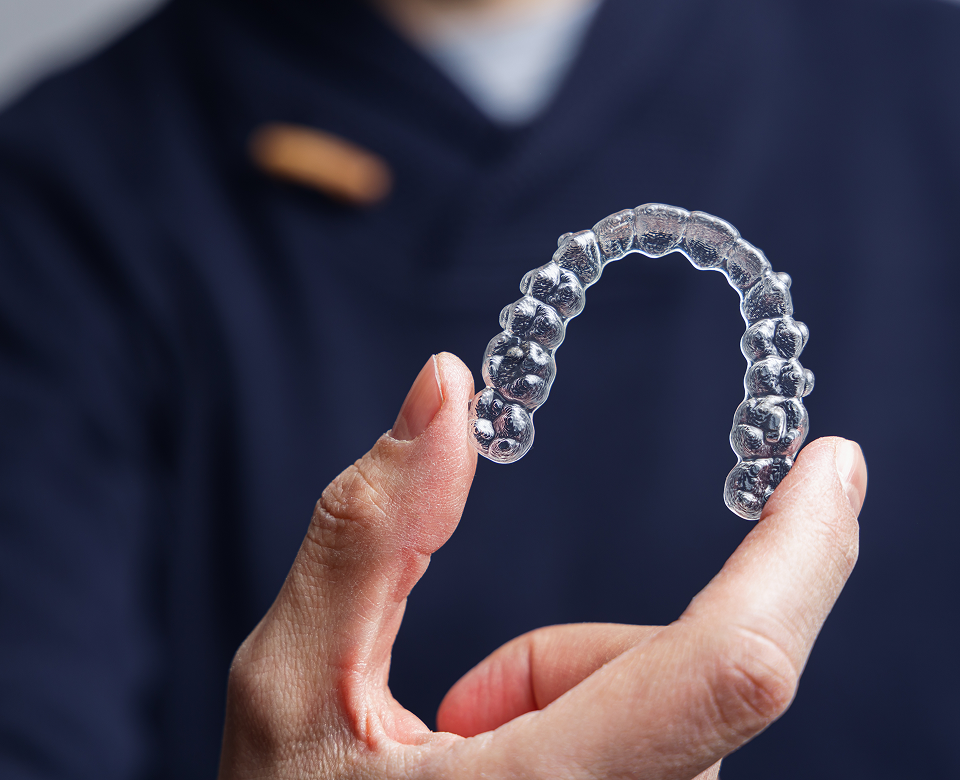
Who Is an Ideal Candidate for Invisalign?

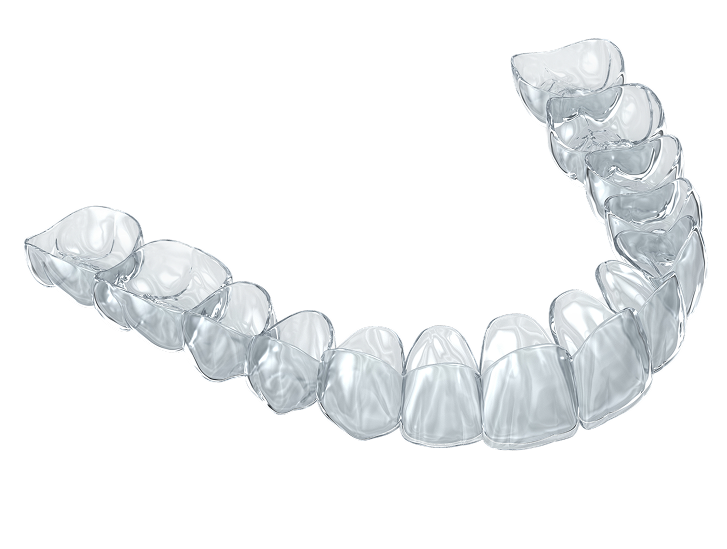
Invisalign may be suitable for teenagers and adults with mild to moderate spacing, crowding, crooked teeth or selected bite concerns. It is often chosen by patients who prefer a discreet orthodontic treatment and are able to wear their aligners as instructed throughout the day.

Because Invisalign aligners are removable, treatment relies on consistent wear to achieve the planned tooth movements. Patients who frequently remove their aligners or are unable to follow the recommended wear schedule may be better suited to another orthodontic treatment.

Some complex orthodontic problems may also require fixed braces or a combination of treatment approaches. Your orthodontist will recommend the option that is most appropriate for your individual condition and treatment goals.

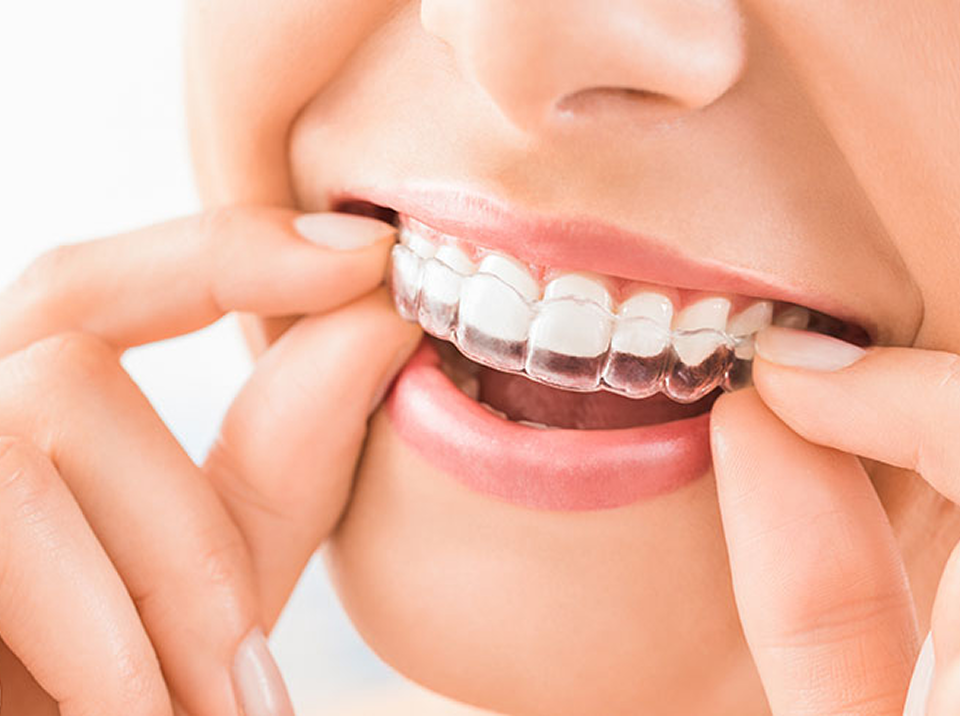
Person inserting an Invisalign aligner

What Dental Problems Can Invisalign Fix?

Invisalign may be suitable for treating a range of mild to moderate orthodontic concerns that can be resolved by rearranging teeth. Common conditions include:

Crowded teeth

Teeth that overlap, twist or become misaligned because there is insufficient space in the jaw.

Gapped teeth

Teeth that have noticeable spaces between them.

Overbite

Upper front teeth that overlap the lower front teeth more than normal.

Underbite

Lower front teeth that sit in front of the upper front teeth when the mouth is closed.

Crossbite

Upper teeth that bite inside the lower teeth instead of sitting slightly outside them.

Open bite

Upper and lower teeth that do not meet properly when the mouth is closed, leaving a gap between them.

Developing teeth

Children with a mixture of baby and permanent teeth who may benefit from early orthodontic guidance in selected cases.

A personalised orthodontic assessment can help determine whether clear aligners are the right treatment for your teeth, bite and treatment goals.

Book an Invisalign Assessment
Centrally Located for Your Convenience

How Is Invisalign Different from Traditional Braces?

Both Invisalign and traditional braces are designed to straighten teeth and improve bite alignment. However, Invisalign is known for being more discreet and is commonly referred to as “invisible braces”. Invisalign uses a series of clear, removable aligners that are replaced throughout treatment to gradually move the teeth. Because the aligners can be removed for eating, brushing and flossing, they may suit patients who prefer greater flexibility and are able to wear them as instructed.

Traditional braces use brackets and wires that remain fixed to the teeth throughout treatment. As they cannot be removed, they work continuously and may be recommended for patients who require more complex tooth movements or greater control during treatment. Your orthodontist can explain the differences between Invisalign, metal braces, ceramic braces and self-ligating braces after assessing your teeth and bite.

Invisalign Clear Aligners

Appearance

Clear trays are less noticeable when worn.

Removability

Removed for meals, brushing and flossing.

Food habits

Aligners are removed for eating and drinking except water.

Daily responsibility

Requires consistent wear as instructed.

Case suitability

May suit selected mild to moderate concerns and some planned complex movements.

Fixed Braces

Appearance

Metal or ceramic brackets are fixed to the teeth.

Removability

Cannot be removed by the patient.

Food habits

Some hard or sticky foods may need to be avoided.

Daily responsibility

Works continuously because the appliance is fixed.

Case suitability

May be recommended for cases requiring fixed control or specific mechanics.

What Are the Benefits of Invisalign?

Invisalign offers a number of benefits to eligible patients:

Discreet appearance

Invisalign aligners are made from clear plastic, making them much less noticeable than traditional braces during everyday wear.

Improved comfort

The aligners are custom-made from smooth plastic without brackets or wires that may irritate the cheeks or lips.

Easier oral hygiene

Because the aligners can be removed, you can brush and floss your teeth as usual without having to clean around brackets and wires.

Greater flexibility at mealtimes

The aligners are removed before eating and drinking (except water), allowing you to continue enjoying your usual diet.

Fewer review appointments

Compared with fixed braces, Invisalign treatment may require fewer review visits, although this depends on your treatment plan.

Predictable treatment planning

Each set of aligners is designed to make small, planned tooth movements throughout treatment. Treatment duration varies depending on the complexity of your orthodontic condition and how consistently the aligners are worn.

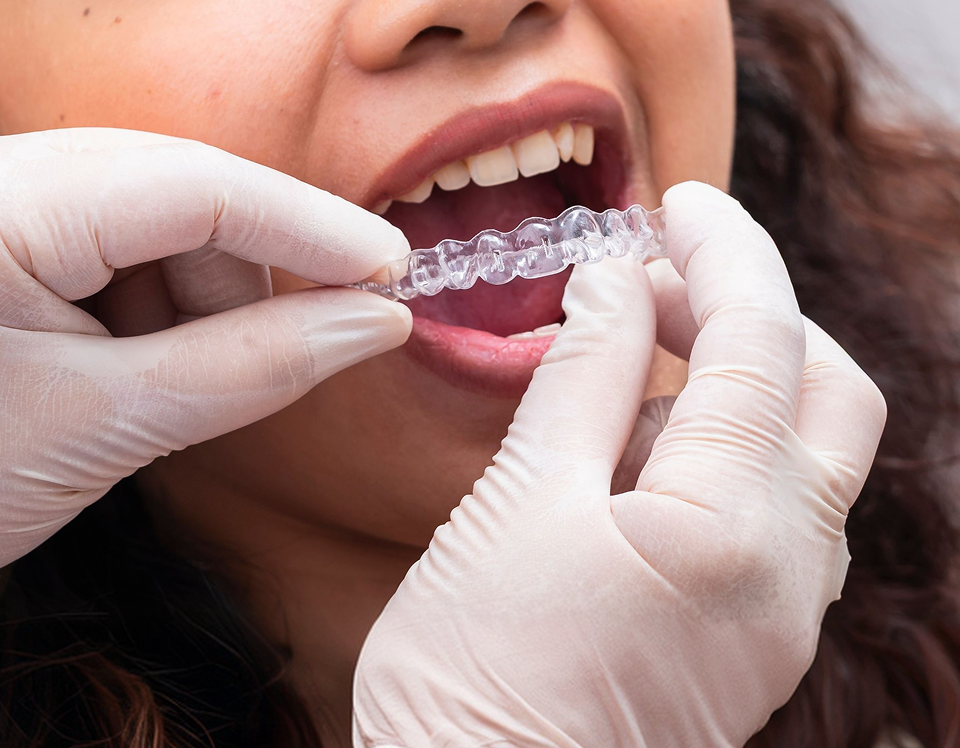
Orthodontist fitting an Invisalign aligner

What Happens During the Invisalign Process?

Invisalign treatment usually begins with an orthodontic consultation. Your orthodontist will assess your teeth, bite, gums and oral health before advising whether clear aligners are suitable.

If you proceed, records such as photographs, X-rays and digital scans may be taken to plan tooth movement. The aligners are then custom-made according to the treatment plan. When the aligners are ready, our clinic will check that they fit and explain how to insert, remove, wear and care for them.

Some patients may need small tooth-coloured attachments to help the aligners grip the teeth. Review visits are arranged so your orthodontist can monitor progress and advise if refinements or plan adjustments are needed. After active treatment, retainers are usually required to help maintain tooth position.

Caring for Your Invisalign Aligners

Proper aligner care helps keep your treatment on track. Remove your aligners before eating or drinking anything other than water, and clean your teeth before putting them back in. This helps reduce plaque build-up and staining.

Do not trim, bend or alter your aligners. Other steps include gently scrubbing aligners regularly, such as in the morning and evening, using toothpaste and a toothbrush. When cleaning the aligners, make sure no abrasive materials are used.

Retainers After Invisalign

After Invisalign treatment, retainers are usually needed to help maintain your new tooth positions. Teeth can naturally shift over time as the gums, bone and bite continue to adapt. Your orthodontist will recommend the most suitable type of retainer, explain how often it should be worn and arrange follow-up reviews to help maintain your treatment results.

What Are the Limitations of Invisalign?

Invisalign may not be suitable for every orthodontic condition. Some patients with more complex tooth movements or bite concerns may achieve better results with fixed braces or a combination of orthodontic treatments. Because the aligners are removable, treatment also depends on wearing them as instructed. In some cases, attachments, elastics, refinements or changes to the treatment plan may be needed if teeth do not move as expected.

Personalised Invisalign Care with Dr Ang Poh Kang

Every smile is unique, which is why Invisalign treatment should always begin with a comprehensive orthodontic assessment. At Just Braces Dental Centre, our Dental Specialist in Orthodontics, Dr Ang Poh Kang, takes the time to understand your teeth, bite, oral health and treatment goals before recommending whether Invisalign or another orthodontic treatment is the most appropriate option for your needs.

Throughout treatment, Dr Ang personally plans and oversees every stage of your Invisalign journey, monitoring your progress and making adjustments where necessary to help achieve predictable, long-lasting results. Whether you are exploring invisible braces for the first time or considering switching from another orthodontic treatment, you can expect personalised care tailored to your individual smile.

Contact us today to arrange an Invisalign consultation with Dr Ang Poh Kang and find out whether clear aligners are the right choice for you.

Personalised Invisalign care with Dr Ang Poh Kang

Frequently Asked Questions (FAQs) About Invisalign

How long does it take invisible braces to correct your teeth?

Most patients can complete their Invisalign treatment within 6–18 months. Depending on the severity of the orthodontic issue, it may sometimes take a longer or shorter time.

Some discomfort or pressure is common when starting a new set of aligners and usually settles within a few days. However, contact the clinic if an aligner is lost, cracked or no longer fits properly, or if you experience persistent pain, gum swelling, ulcers or any other symptoms that concern you. If your retainer is damaged or no longer functional, arrange a review so it can be assessed and replaced if necessary.

Most patients are recommended to visit the dentist every 4–6 weeks to monitor the progress of the treatment.

Just Braces Dental Centre is dedicated to providing every client with personalised, effective and comfortable dental care. With our orthodontist’s expertise in Invisalign (Invisible Braces), patients can rest assured knowing they will receive optimal dental care and outcomes.

In some cases, patients may be able to switch from fixed braces to Invisalign as part of their orthodontic treatment. Whether this is appropriate depends on your current stage of treatment, tooth movements still required and overall treatment goals. Your orthodontist can assess whether changing treatment is suitable.

Some patients notice a slight lisp or change in speech when they first start wearing Invisalign aligners. This is usually temporary and improves as your tongue adjusts to the aligners over the next few days. Wearing the aligners consistently often helps you adapt more quickly.

Our Invisalign Specialist in Singapore

Dr Ang Poh Kang is an experienced orthodontist with three decades of experience. He attained his Bachelor of Dental Surgery from the National University of Singapore in 1993 and was awarded a government scholarship a few years later, where he completed his Master of Dental Surgery (Orthodontics) with Distinction and received his Membership in Orthodontics from the Royal College of Surgeons of Edinburgh.

With Invisalign treatment, Dr Ang carefully plans every stage of tooth movement to help achieve predictable alignment while maintaining a healthy bite and long-term oral function. He remains committed to providing personalised orthodontic care, using clear aligner treatment where appropriate to meet each patient's individual treatment goals.

Schedule Your Orthodontic Consultation Today
Orthodontist in Singapore - Dr Ang Poh Kang
Dr Ang Poh Kang
Dental Specialist in Orthodontics
MOH-Accredited Orthodontist

BDS (Singapore)
M Orth RCS (Edinburgh)
MDS (Orthodontics) with distinction.
FAMS (Orthodontics)
Contact Us
To learn more about the benefits of self-ligating braces and the Damon System, we invite you to contact our Singapore orthodontic clinic today. We are eager to help you achieve a more beautiful and healthier smile, the fuss-free way!