When most people think of braces, they think of regular tightening appointments, soreness after
adjustments, and frequent visits to the clinic. It is often seen as a necessary—if uncomfortable—part of
straightening teeth.
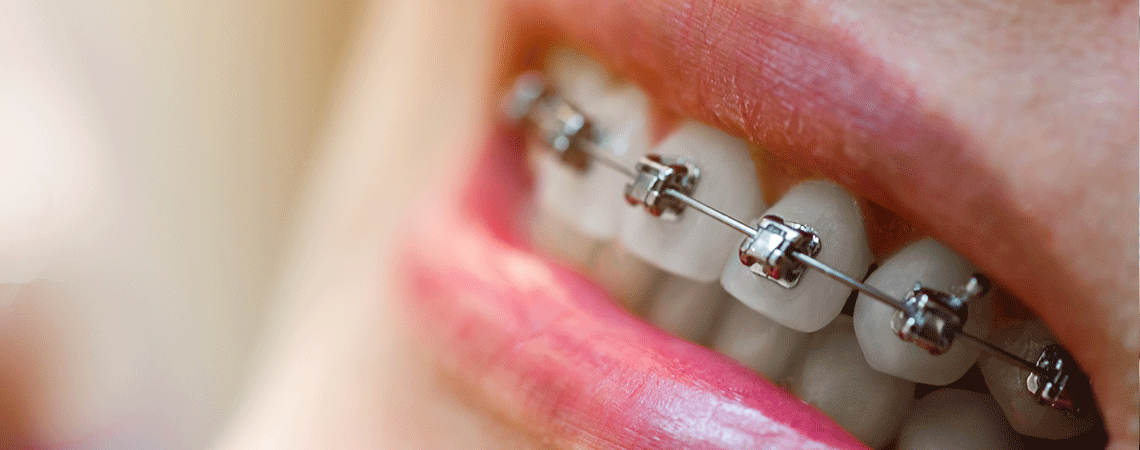
Damon braces work differently. Rather than being tightened periodically, they use a self-ligating system
that delivers gentle, continuous pressure throughout the treatment process. This reduces the need for
frequent adjustments and allows teeth to move more naturally, with less discomfort compared with
traditional braces. To understand why, it helps to first look at how Damon braces are designed.
What Are Damon Braces?
Damon braces are a type of self-ligating braces that straighten teeth using a built-in sliding mechanism
instead of elastic bands. Unlike traditional braces, they do not require tightening because the wire can
move more freely within the bracket.
These braces use a small clip to hold the wire in place, reducing friction and allowing teeth to shift
with lighter, continuous pressure. This makes them a popular option for both teens and adults looking
for a more comfortable orthodontic treatment.
Damon braces can treat common issues such as crowding, spacing and bite alignment, while typically
requiring fewer adjustment appointments than conventional braces.
How Do Damon Braces Work Without Tightening?
Damon braces work without tightening by using a self-ligating system that allows the archwire to move
freely within the bracket. Instead of elastic ties that grip the wire tightly, each bracket has a
built-in sliding clip that holds the wire in place while still allowing natural movement.
This low-friction design means teeth can shift gradually using light, continuous pressure rather than
the stronger forces created during tightening appointments. As the wire adjusts on its own over time, it
guides the teeth into better alignment without the need for frequent manual adjustments.
Benefits of Damon Braces Compared to Traditional Braces
Damon braces are designed to make orthodontic treatment more comfortable and efficient. Because they use
lighter, continuous forces, many patients experience less pressure compared to traditional metal braces.
They also typically require fewer adjustment appointments, since there is no need for regular
tightening. This can make treatment more convenient, especially for those with busy schedules.
Without elastic ties, Damon braces are also easier to keep clean, reducing the chances of plaque buildup
around the brackets.
How Do You Care for Damon Braces?
You care for Damon braces by maintaining good oral hygiene, avoiding damaging foods and following your orthodontist’s instructions throughout treatment. Proper care helps prevent plaque buildup, tooth decay, and delays in your progress.
Brush and Floss Thoroughly Every Day
Brush at least twice daily using a soft-bristled toothbrush and fluoride toothpaste. Clean carefully around the brackets and wires. Floss once a day using floss threaders or orthodontic floss to remove plaque between teeth.Use Tools Designed for Braces
Interdental brushes and water flossers help clean hard-to-reach areas around Damon brackets more effectively than regular brushing alone.Avoid Hard and Sticky Foods
Stay away from foods that can damage your braces, such as nuts, hard candies, caramel, and chewing gum. These can loosen brackets or bend wires.Attend Regular Orthodontic Appointments
Although Damon braces don’t require frequent tightening, check-ups are still important to monitor progress and make adjustments.Follow All Orthodontic Instructions
If you are given elastics or other appliances, wear them as directed to keep your treatment on track.

Find Out if Damon Braces Are the Right Fit for You
Damon braces work without tightening by using a self-ligating system that applies gentle, continuous
pressure to guide teeth into alignment. This design reduces the need for frequent adjustments while
improving comfort and making oral hygiene easier to maintain. For many patients, Damon braces offer a
more convenient and efficient alternative to traditional orthodontic treatment.
At Just Braces Dental Centre, patients receive specialist orthodontic care focused on precision, comfort
and long-term results. Dr Ang Poh Kang, an MOH-accredited orthodontist with training from he Royal
College of Surgeons of Edinburgh, has been practising full time since 1997 and is committed to
delivering well-structured treatment plans. Arrange a consultation to receive personalised advice on
Damon braces and your orthodontic options.