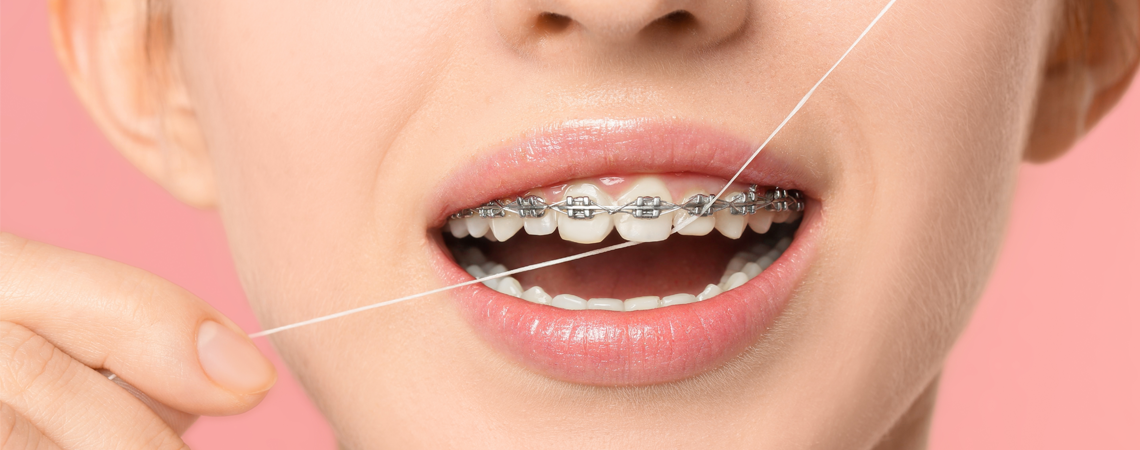
If you have ever looked in the mirror after a meal and noticed food stubbornly caught around your braces, you are not alone. Wearing braces often comes with a mix of excitement and frustration. While you are one step closer to a straighter smile, daily cleaning can suddenly feel more time-consuming than before.
Braces create more places for plaque and food particles to hide, which means oral hygiene becomes even more important during treatment. With a consistent routine and a few helpful tools, you can protect your teeth and gums while your smile transforms. Here, we look at how to maintain oral hygiene with braces and what you can do to protect your teeth throughout treatment. Read on to learn more.
Why Braces Make Oral Hygiene Harder
Braces are made up of brackets, wires and bands that form small spaces where food debris easily gets trapped. These areas are harder to clean with a standard toothbrush, allowing bacteria to build up if plaque is not removed thoroughly. Over time, this can increase the risk of tooth decay, gum inflammation and white spot lesions on the enamel.
Understanding how your specific orthodontic appliance affects cleaning helps you adapt your routine and reduce potential problems during treatment.
Traditional Metal or Ceramic Braces
Metal and ceramic braces are fixed to the front of the teeth. Food often collects around each bracket and beneath the wire, so brushing carefully from different angles is essential to lift plaque and debris.
Lingual Braces (Behind the Teeth)
Lingual braces are attached to the inner surfaces of the teeth. While they are less visible, they are harder to clean due to limited visibility. Extra time and patience are needed to ensure plaque does not accumulate along the gum line.
Clear Aligners (Such as Invisalign)
Clear aligners are removable, which allows easier brushing and flossing. However, both your teeth and the aligner trays must be cleaned thoroughly. Poor hygiene can lead to bacteria buildup, unpleasant odours and staining of the aligners.
Essential Oral Care Tools You’ll Need
Using the right tools makes daily cleaning more effective and less frustrating. Each item helps target areas that are difficult to reach with braces.
-
Soft-bristled Toothbrush
A soft-bristled or orthodontic toothbrush cleans around brackets and wires without irritating the gums. A smaller brush head can also help reach tight spaces more easily.
-
Interdental / Proxabrush
This narrow brush slides between brackets and under the main wire. It is useful after meals for removing food particles from areas a regular toothbrush may miss.
-
Floss Threader or Orthodontic Floss
Flossing with braces requires extra support. A floss threader or orthodontic floss allows you to guide the floss under the wire so you can clean between teeth and along the gum line.
-
Fluoride Toothpaste
Fluoride strengthens enamel and reduces the risk of decay, which is especially important for patients with braces. In some cases, your orthodontist may recommend a higher-fluoride toothpaste for additional protection.
-
Alcohol-free Antimicrobial Mouthwash
An alcohol-free mouthwash helps reduce bacteria while being gentle on oral tissues. If recommended by your dentist, choosing a fluoride-containing option can provide additional enamel support.
-
Orthodontic Wax
This smooth, protective wax can be applied over brackets or wires that rub against the cheeks or lips. It offers quick relief from irritation and prevents sores from forming.
Daily Brushing Routine
A consistent routine is key to maintaining oral hygiene with braces. While it may feel time-consuming at first, it becomes easier with practice.
-
Full Morning Routine
Start your day with a thorough clean. Brush for two minutes, angling the toothbrush above and below each bracket to dislodge plaque. Follow with flossing using a threader or orthodontic floss. If advised by your dentist, rinse with a fluoride mouthwash, then apply orthodontic wax to any brackets or wires causing irritation.
-
After-meal Routine
Cleaning your teeth after eating helps remove trapped food and prevents plaque buildup around your braces. When possible, brush with a soft-bristled toothbrush and fluoride toothpaste. If brushing is not practical, use an interdental brush or water flosser and rinse with water or mouthwash. Sugar-free gum can help stimulate saliva until you are able to brush properly.
-
Nighttime Routine
Before bed, brush your teeth thoroughly for at least two minutes, paying close attention to the gum line and the areas around each bracket. Floss carefully to remove plaque between the teeth, then rinse with a fluoride mouthwash for added protection. Checking for loose brackets, protruding wires or sore spots also aids with catching issues early.
Foods to Avoid & Braces-Friendly Choices
What you eat can affect both your braces and your oral hygiene. Some foods make cleaning more difficult or increase the risk of damage, while others are gentler and easier to manage.
Foods to Avoid
- Sticky Sweets: Toffee, caramel and chewing gum cling tightly to brackets and wires, making them difficult to clean and increasing the risk of plaque buildup.
- Hard or Crunchy Foods: Nuts, popcorn, ice, raw carrots and hard sweets can bend wires or snap brackets, often leading to emergency repairs.
- Chewy or Tough Foods: Bagels, crusty bread and tough meats place extra pressure on braces, which may loosen or break components.
- Sugary Snacks and Fizzy Drinks: Soft drinks, sweets and cakes feed harmful bacteria, increasing the risk of decay and staining around braces.
Braces-Friendly Options
- Soft Foods: Yoghurt, soups, mashed potatoes, pasta, scrambled eggs and steamed vegetables are gentle on braces and easy to chew, especially after adjustments.
- Cut Fruits: Instead of biting directly into firm fruits, slice apples, pears and similar options into smaller pieces to reduce pressure on your brackets.
- Protein Options: Fish, minced meat, tofu and beans provide nutritious, easier-to-chew sources of protein that will not strain your braces.
- Healthy Snacks: Smoothies, bananas and soft cheeses are convenient choices that offer both comfort and nutrition without risking damage to your braces.
Smart Habits for a Healthy Smile
Persistent irritation, visible staining or difficulty keeping your braces clean are signs it may be time to seek professional guidance. Early input from an orthodontist can prevent minor concerns from becoming larger issues and help keep your treatment progressing smoothly.
Looking for personalised advice on caring for your braces? Our orthodontic team at Just Braces Dental Clinic in Singapore is ready to support you at every stage. Book a consultation and take the next step towards a healthier, more confident smile today.