One can hardly discuss the topic of braces without landing upon their most classic form: traditional
metal braces. With a long history, metal braces are a tried and tested method for correcting orthodontic
problems such as tooth misalignment and bite issues. Yet, with the advent of many new types of braces on
the market, it is inevitable that one considers not just what they have to offer, but also, what enables
traditional metal braces to continue holding up against these fresh-faced competitors. Before proceeding
with treatment, it is imperative that one is well-informed on the advantages and drawbacks of
traditional metal braces, such that it aligns best with your orthodontic needs, lifestyle, preferences,
and budget.
How Do Traditional Metal Braces Work?
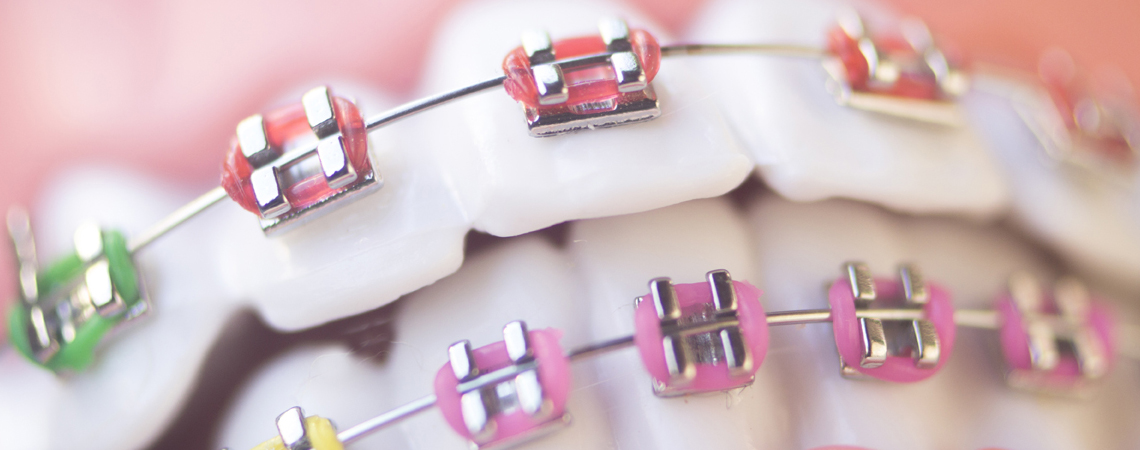
Traditional metal braces are one of the most widely used and effective orthodontic treatments for
correcting misaligned teeth and bite issues. They consist of high-grade stainless steel brackets that
are bonded to the front surface of each tooth and connected by a thin metal archwire. Small elastic
bands, known as ligatures, are used to secure the wire to the brackets.
The primary function of traditional metal braces is to apply continuous, gentle pressure to the teeth
over time. This controlled force gradually shifts teeth into their desired positions. During routine
adjustment appointments, an orthodontist tightens or replaces the archwire to maintain the appropriate
level of pressure and guide tooth movement.
Traditional metal braces can effectively treat a wide range of orthodontic concerns, including crowded
teeth, gaps between teeth, overbites, underbites, crossbites, and other alignment issues. Their
durability, precision, and ability to address complex cases render them a reliable treatment option for
both children and adults seeking a straighter, healthier smile.
What Are the Pros and Cons of Metal Braces?
As a longstanding option, traditional metal braces have proven their evergreen status despite the
introduction of alternatives, such as ceramic braces and Damon braces. A strong mix of effectiveness,
comfort, and affordability, metal braces continue to remain a mainstay in the orthodontic scene. Despite
its many benefits, it is not without its drawbacks; a thorough evaluation of its pros and cons is
crucial in making a well-informed decision as to whether traditional metal braces suit you best.
The Pros of Traditional Metal Braces
-
Effectiveness
Metal braces can shift your teeth at a relatively fast rate. They can also address more severe cases
of tooth misalignment that other forms of braces might not be able to.
-
Reliability
As metal braces are permanently attached to your teeth, only able to be removed during readjustment
appointments with your dentists and at the end of the treatment, they do not rely on patient
compliance to achieve results. Treatment progresses as planned with no concerns about misplacing or
inconsistent positioning.
-
Affordability
Metal braces continue to be one of the most cost-effective treatment options.
The Cons of Traditional Metal Braces
-
Pain and Comfort
Being made of metal, it will tend to cause mild soreness and irritation against the soft tissues
inside your mouth in the first few weeks. This discomfort can be managed with orthodontic wax and
proper oral hygiene.
-
Discreetness and Aesthetics
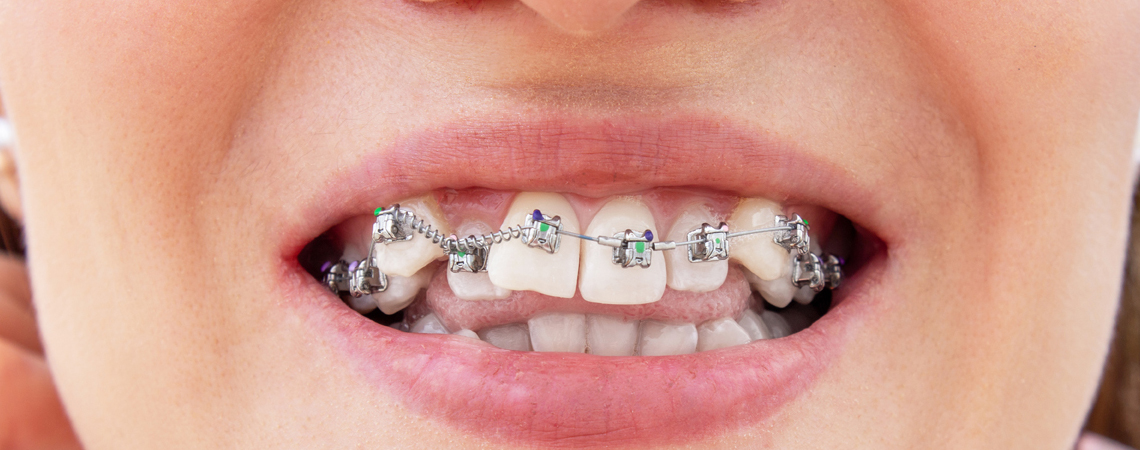
Metal braces are more noticeable than ceramic braces or clear aligners, which can be a turn-off for
patients seeking more discreet options. However, the colours of the elastics and ligatures can be
customised, and so metal braces have also become a fashion statement.
What Other Types of Braces Can I Consider?
Traditional metal braces are a classic for a reason: they are an effective, tried-and-tested method.
However, with advancements in orthodontics, numerous alternatives have surfaced to suit a variety of
needs. Before committing to a particular type, do consider alternative types of braces to see if they
may address your concerns better.
-
Ceramic braces function similarly to traditional metal braces, but use tooth-coloured or clear
brackets that blend more naturally with the teeth. This makes them a popular choice for those
seeking a less conspicuous option. However, ceramic brackets tend to be more fragile than metal
brackets and are typically more expensive.
-
Self-Ligating
Braces
With the most common form found in Singapore the self-ligating Damon braces, they use specialised
brackets with built-in clips instead of elastic bands to hold the archwire in place. It is generally
more comfortable as there is less friction on the teeth. It requires fewer adjustment appointments
compared to other types.
-
Lingual braces are attached to the back surfaces of the teeth, making them virtually invisible from
the front. They provide many of the same corrective capabilities as traditional braces while
offering greater discretion. However, they may require a longer adjustment period, can affect speech
initially, and are generally more costly than conventional braces.
-
Clear Aligners
Custom-made transparent trays that gradually move teeth into alignment, these are a highly discreet,
removable option that allows patients to eat, brush, and floss normally without dietary
restrictions. However, they may not be suitable for more complex orthodontic cases. A popular option
in Singapore is Invisalign.
Ultimately, the most suitable type of braces depends on factors such as the complexity of your case,
your aesthetic preferences, treatment goals, lifestyle, and budget. A consultation with an orthodontist
can help determine which option is best suited to your individual needs.
Achieve a Straighter, More Confident Smile with Dr Ang Poh Kang
Left untreated, misaligned teeth not only result in lasting difficulties in your day-to-day life, but
may also lead to more serious complications over time. They tend to be harder to clean effectively,
increasing the risk of tooth decay and gum disease. Bite irregularities may also contribute to uneven
tooth wear, jaw discomfort, difficulty chewing, speech challenges, and even chronic strain on the jaw
joints. As a versatile, effective, and affordable option, traditional metal braces remain a well-loved
option in orthodontic treatments.
At Just Braces Dental Centre, we
provide personalised orthodontic care tailored to each patient's unique smile and treatment goals. With
over 30 years of experience, Dr Ang Poh Kang has helped countless patients achieve healthier smiles
through carefully planned orthodontic treatment. Book a consultation today to discuss your options and find out whether
traditional metal braces are right for you.